
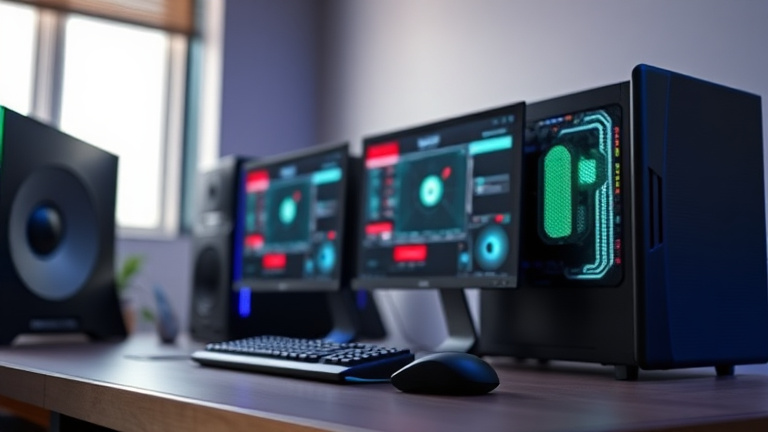
The gaming landscape is witnessing a revolutionary transformation as cloud gaming services redefine how millions of players obtain their favorite titles. Gone are the days of costly equipment investments and time-consuming installations—today’s gamers can seamlessly play AAA games on virtually any platform with an internet connection. This article examines how cloud gaming platforms are democratizing gaming, breaking down technical barriers, and enabling new levels of access for players of all skill levels, while assessing the underlying systems, benefits, and challenges that define this gaming revolution.
The Expansion of Cloud-Based Gaming
Cloud gaming represents a fundamental shift in how players interact with their favorite titles. By leveraging powerful remote servers, these services remove the requirement for expensive gaming hardware, letting people stream games right onto their devices. This technological breakthrough has opened up access to premium gaming experiences, enabling players with modest computers or older consoles to experience latest AAA games seamlessly. The infrastructure underpinning cloud gaming keeps advancing, with companies spending enormous amounts in data centers and infrastructure enhancement to provide smooth, lag-free gameplay experiences globally.
The growth of cloud gaming services has accelerated dramatically over the last several years, with prominent tech corporations and dedicated gaming platforms entering the market. Services like Xbox Game Pass Ultimate, PlayStation Plus Premium, and NVIDIA GeForce Now have positioned themselves as leading providers, offering extensive game libraries and customizable subscription options. This competitive landscape spurs development and cost-effectiveness, benefiting consumers through enhanced capabilities, wider game variety, and enhanced performance. The shift away from conventional gaming to streaming-based services marks a pivotal moment in the entertainment industry, like how online platforms revolutionized film and television consumption.
Overcoming Technical Hurdles
Cloud gaming radically removes the technical barriers that once blocked many players from playing modern games. Traditional gaming demanded substantial investments in powerful graphics cards, processors, and hard drives—expenses that shut out casual players and those with limited budgets. Cloud platforms bypass these barriers by moving computational load to remote servers, allowing gameplay on everyday devices, tablets, and smartphones. This shift toward inclusivity enables a broader demographic to engage with gaming culture, fostering inclusivity and increasing the overall gaming community significantly.
The systems behind cloud gaming utilizes advanced encoding techniques and distribution systems to deliver high-quality video streams across the internet. Advanced codecs decrease delay while maintaining visual fidelity, ensuring players get fluid, engaging gaming experiences regardless of their device specifications. As internet infrastructure improves globally and next-generation connectivity roll out, cloud gaming proves more feasible for users in previously underserved regions. This industry advancement has the potential to deliver high-end gaming content available to everyone, fundamentally reshaping the industry’s coming trajectory.
Leading Cloud Gaming Platforms and Their Features
The cloud gaming market has experienced remarkable growth, with many platforms striving to offer seamless gaming experiences across devices. Industry pioneers have invested billions in infrastructure, creating sophisticated streaming technologies that reduce latency and improve visual quality. These platforms provide extensive game libraries, flexible subscription models, and cross-device compatibility, significantly transforming how players buy, obtain and play games. Recognizing the key benefits and individual offerings of leading providers helps gamers select the service that most closely matches their preferences and play styles.
Premier Services in the Market
Microsoft’s Xbox Cloud Gaming operates as a leader in the cloud gaming industry, utilizing the company’s vast library of games and cloud infrastructure. Subscribers can play hundreds of games through Game Pass Ultimate, with the option to play on phones, tablets, computers, and TV screens. The service works smoothly with Xbox ecosystems, enabling gamers to keep their game progress across various platforms. Microsoft’s commitment to data centers worldwide ensures fast response times, positioning it as an compelling solution for serious gamers wanting premium experiences without hardware constraints.
NVIDIA GeForce Now offers an different method, allowing players to stream games they already own from digital storefronts like Steam and Epic Games. This adaptability resonates with gamers with existing libraries who prefer not purchasing games again. GeForce Now emphasizes performance, providing excellent frame rates and sophisticated graphics options. Sony’s PlayStation Plus Premium combines standard subscription models with cloud gaming features, integrating streaming into its established PlayStation ecosystem. Google’s Stadia, while discontinued, laid the groundwork for development in streaming game technology and interface design.
- Xbox Cloud Gaming provides a comprehensive Game Pass library integration
- NVIDIA GeForce Now supports games from your current digital accounts
- PlayStation Plus Premium integrates streaming with conventional gaming
- Amazon Luna delivers Fire TV and mobile device compatibility
- Platforms differentiate based on latency, game selection, and subscription pricing
Benefits and Challenges of Game Streaming
Primary Benefits
Cloud gaming offers transformative advantages that fundamentally change gaming accessibility. Players remove expensive hardware investments, accessing high-quality games instantly without the need to download or install. The technology facilitates seamless cross-device gaming, enabling users to begin gaming on their console and resume on mobile devices. Additionally, cloud gaming decreases environmental impact through optimized server usage and removes storage limitations, democratizing gaming for players globally independent of their technical requirements or geographic location.
Another notable benefit is the elimination of software piracy concerns and simplified game distribution. Developers receive valuable player data and engagement metrics while ensuring their content remains secure on protected servers. Cloud gaming platforms offer automatic updates, removing compatibility issues and ensuring all players receive identical, optimized versions. This infrastructure also allows innovative features like instant game trials, integrated social streaming, and collaborative gaming experiences that traditional local gaming cannot deliver, creating fresh possibilities for player engagement and community development.
Core Challenges
Despite its potential, cloud gaming faces substantial obstacles restricting widespread adoption. Internet connectivity remains the chief challenge, requiring high-speed, low-latency connections for best performance. Players in countryside locations or regions with limited infrastructure experience lag and disconnections, creating unequal access. Additionally, data consumption worries persist, as streaming high-quality games consumes substantial bandwidth, often going over monthly limits and generating additional costs for users with capped data plans.
Latency and input lag create technical challenges affecting gameplay quality, especially in competitive titles requiring instant reflexes. Licensing agreements hinder game availability across different regions, fragmenting the game collection. Additionally, concerns about privacy protection, infrastructure stability, and monthly fees deter some players from transitioning from traditional gaming. The dependency on service provider infrastructure means possible downtime directly impact gaming experience, in contrast to locally installed games that stay playable regardless of server status.
